
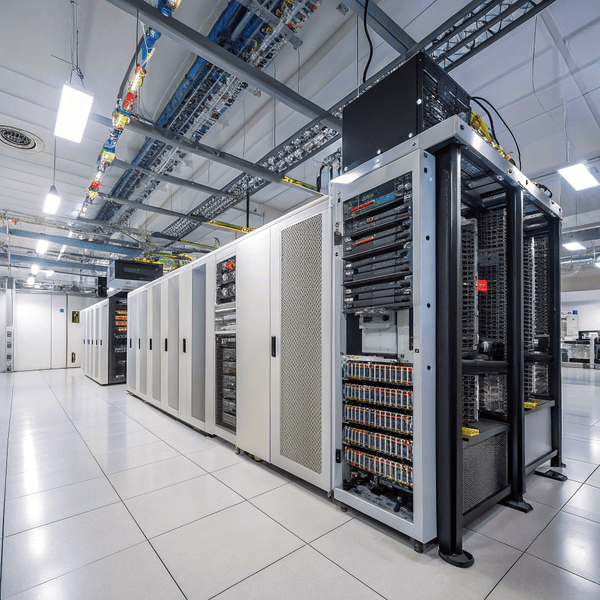
Every website, app, and business relies on a data center, but most people have no idea what’s inside these Every website, app, and business relies on a data center[^1], but most people have no idea what’s inside these high-tech fortresses keeping the world connected.
[^1]: Understanding data centers is crucial for grasping how our digital world operates and stays connected.
keeping the world connected.
Data center components include servers, storage systems, networking equipment, power supplies, cooling infrastructure, physical security, and management software, all designed to keep data safe and available at all times.
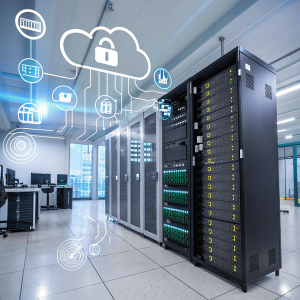
When I built my first small server room, I quickly learned that it takes much more than racks of computers. The foundation of a true data center is a carefully balanced mix of hardware, energy, and protection. Let’s explore each piece and why it matters so much.
What are the components of a data center?
Even tech veterans can lose track of what a “data center” really includes—so much more thanEven tech veterans can lose track of what a “data center[^1]” really includes—so much more than servers and cables.
[^1]: Understanding the components of a data center can enhance your knowledge of IT infrastructure and its importance.
.
The main components of a data center are servers, storage devices, networking hardware, power systems, cooling units, security infrastructure, and monitoring tools—each essential for reliability and safety.
Breaking Down the Essential Data Center Components
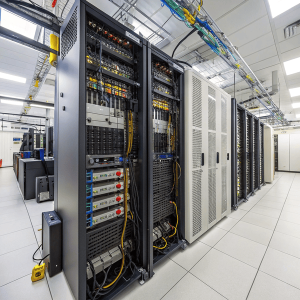
I remember touring a larger data center for the first time. Rows of blinking lights caught my eye, but it was the hidden layers—the power, the I remember touring a larger data center[^1] for the first time. Rows of blinking lights caught my eye, but it was the hidden layers—the power, the climate controls, the tightly managed access—that truly impressed me. Here’s how I break down the essentials for anyone new to the field:
[^1]: Understanding the key components of a data center can enhance your knowledge and help you appreciate its complexity.
, the tightly managed access—that truly impressed me. Here’s how I break down the essentials for anyone new to the field:
| Component | Main Job | Example Devices/Systems |
|---|---|---|
| Servers | Run software, apps, data processing | Rack servers, blades, VMs |
| Storage | Save and retrieve information | SAN, NAS, SSD arrays |
| Networking | Connect computers, users, outside | Switches, routers, firewalls |
| Power Systems | Uninterrupted electricity supply | UPS, generators, PDUs |
| Cooling | Remove heat, keep systems stable | CRAC, HVAC, liquid cooling |
| Security | Prevent unauthorized access | Cameras, badge systems |
| Monitoring | Track performance, alert issues | DCIM, environment sensors |
Every time one piece fails, the others are put at risk. True reliability comes from giving equal attention to all these elements, not just the high-tech bits.
What are the passive components of a data center?
Data centers need Data centers need active tech, but passive systems[^1] make everything work smoothly and safely behind the scenes.
[^1]: Understanding passive systems is crucial for optimizing data center efficiency and safety.
, but passive systems make everything work smoothly and safely behind the scenes.
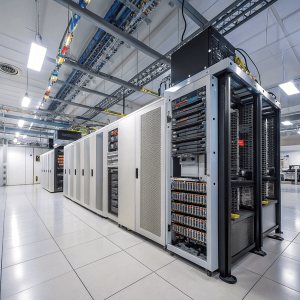
Passive components in a data center include structured cabling, racks, cabinets, patch panels, grounding, and physical barriers—all of which support, organize, and protect active equipment.
How Passive Components Build Stability and Safety
While working with installation teams, I’ve seen projects go off schedule simply because of poor cable management or weak floor supports. Many people focus on flashy servers, but While working with installation teams, I’ve seen projects go off schedule simply because of poor cable management[^1] or weak floor supports. Many people focus on flashy servers, but passive infrastructure sets the stage for performance, safety, and efficient troubleshooting.
[^1]: Understanding cable management can significantly enhance your installation efficiency and prevent future issues.
sets the stage for performance, safety, and efficient troubleshooting.
| Passive Component | Function | Common Example |
|---|---|---|
| Structured Cabling | Organized connections for all hardware | Fiber optic cable bundles |
| Racks & Cabinets | Physically support and protect equipment | 42U server racks |
| Patch Panels | Centralize network/connection points | Copper or fiber patch bays |
| Grounding Systems | Electrical protection; prevent damage | Copper busbars |
| Raised Floors | Allow airflow, cable management, access | Modular floor tiles |
| Barriers/Doors | Separate secure zones, control movement | Locked cage partitions |
From my experience, good passive setup speeds up every maintenance task. It prevents damage from accidents, electrical surges, or overheating, and keeps your auditing team happy too.
What are the 5 components of data security in cloud computing?
Moving to the cloud introduces new risks, making strong security building blocks more vital than ever.
The five components of data security in cloud computing are data encryption, access control, data integrity, threat detection, and compliance—together, they shield sensitive information from modern cyber threats.
Securing Data in a Shared Environment
I’ve helped clients move sensitive operations to the cloud, and their top fear is always data leaks. I layer I’ve helped clients move sensitive operations to the cloud, and their top fear is always data leaks[^1]. I layer cloud security by focusing on five main areas:
[^1]: Exploring strategies to prevent data leaks is crucial for protecting your organization’s sensitive information.
by focusing on five main areas:
| Security Component | Purpose | What It Looks Like |
|---|---|---|
| Encryption | Protects data during storage/transfer | AES, SSL/TLS, at-rest keys |
| Access Control | Limits who can see or change what | MFA, RBAC, audit logs |
| Data Integrity | Ensures files aren’t tampered with | Hashing, checksums |
| Threat Detection | Spots attacks early, blocks breaches | IDS/IPS, SIEM, anomaly AI |
| Compliance | Meets legal, industry data requirements | GDPR, HIPAA, regular audits |
No security system is perfect, but covering all these bases reduces risk greatly. I remind my clients that a lapse in any one area can often lead to a much bigger compromise down the road.
Conclusion
Reliable data centers are built on a mix of active components, passive infrastructure, and strong security—all vital for safe, steady digital operations.