The struggle for efficiency, speed, and reliability in data centers pushes manufacturers and operators to constantly seek The struggle for efficiency, speed, and reliability[^1] in data centers pushes manufacturers and operators to constantly seek cutting-edge storage solutions.
[^1]: Understanding these factors is crucial for optimizing data center performance; this resource provides valuable insights.
solutions.
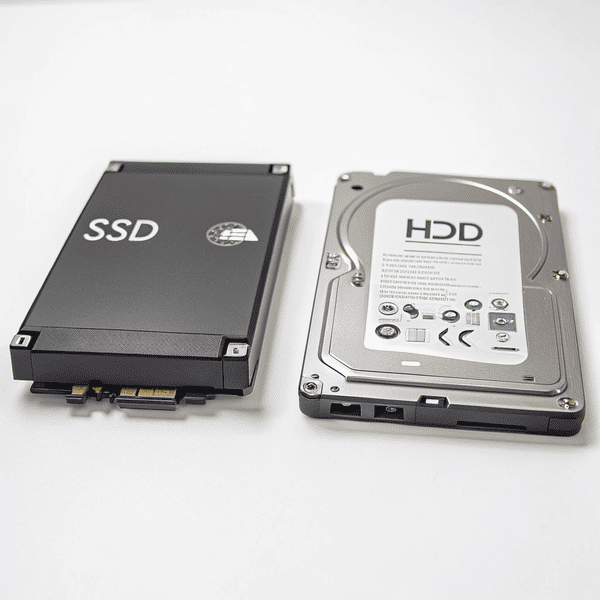
Data center SSDs are specialized solid-state drives designed for high workload environments, offering faster performance, lower latency, and better reliability than traditional HDDs, making them ideal for modern data centers.
Most data center managers know that the choice of storage technology can make or break system performance. While SSDs promise speed and robustness, the real question is whether they deliver enough value for the investment. If the life cycle and cost fit the long-term business goals, SSDs can transform how organizations store and access data. Let’s break down the critical details and learn whether SSDs are the right choice for your data center.
What is a data center SSD?
Rising competition and gigantic data loads trouble everyone in IT—choosing robust, quick storage is important.
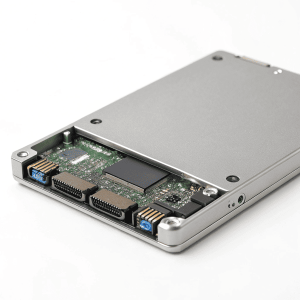
A data center SSD is a A data center SSD[^1] is a solid-state drive engineered for reliability, endurance, and consistent performance under heavy workloads, tailored to the demanding environment of server farms and enterprise-level data centers.
[^1]: Explore this link to understand how data center SSDs enhance performance and reliability in enterprise environments.
engineered for reliability, endurance, and consistent performance under heavy workloads, tailored to the demanding environment of server farms and enterprise-level data centers.
SSDs vs. Consumer SSDs: What Sets Data Center SSDs Apart?
Data center SSDs differ from consumer SSDs in several ways. First, they offer higher endurance, which means they can handle many more Data center SSDs differ from consumer SSDs in several ways. First, they offer higher endurance[^1], which means they can handle many more write cycles. Even when exposed to constant, heavy activity each day, data center SSDs do not wear out as fast as consumer models.
[^1]: Understanding higher endurance SSDs can help you choose the right storage solutions for demanding applications.
. Even when exposed to constant, heavy activity each day, data center SSDs do not wear out as fast as consumer models. They also often feature advanced error correction, data protection technologies, and firmware optimized for predictable performance.
| Feature | Consumer SSD | Data Center SSD |
|---|---|---|
| Endurance | Low to Medium | Very High |
| Error Correction | Basic | Advanced |
| Latency | Variable | Stable/Low |
| Power Loss Protection | Rare | Common |
| Cost | Low | Higher |
I rely on data center SSDs when uptime and persistent speed are important. In my experience, these drives support virtualization, database workloads, and analytics far better, thanks to their reliability and performance edge.
Why don’t data centers use SSD?
Most data centers hesitate to switch fully to SSDs, feeling pressure from cost, write endurance, and capacity concerns.
Despite SSDs being faster and more reliable, many data centers still use HDDs because SSDs haveDespite SSDs being faster and more reliable, many data centers still use HDDs because SSDs have higher upfront costs, limited write endurance[^1], and sometimes lower maximum storage capacity per drive.
[^1]: Exploring this concept will provide insights into the longevity and reliability of SSDs in data centers.
, limited write endurance, and sometimes lower maximum storage capacity per drive.
Cost and Capacity Considerations: The Real Obstacles
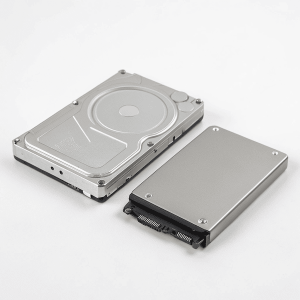
It’s tempting to swap every hard disk for SSDs. In reality, costs add up quickly. SSDs can be five to ten times pricier per terabyte than HDDs, which means businesses handling massive volumes of "cold" data—rarely accessed or archival information—still rely on HDDs.
Endurance matters too. Some SSDs, especially older types, have a limited number of write cycles. For applications with Endurance matters too. Some SSDs, especially older types, have a limited number of write cycles[^1]. For applications with frequent, large-scale writes, businesses worry SSDs will wear out and need replacement faster.
[^1]: Understanding the limitations of SSDs can help businesses make informed decisions about their storage solutions.
, businesses worry SSDs will wear out and need replacement faster.
| Factor | SSDs | HDDs |
|---|---|---|
| Upfront Cost | High | Low |
| Max Capacity | Lower | Higher |
| Endurance | Moderate* | High |
| Power Use | Low | Higher |
- Enterprise/data center SSDs are improving but still trail behind HDD for raw write endurance.
I often advise clients to use SSDs for databases, virtual machines, and transaction-heavy apps. For backup, media archives, and less critical data, I recommend HDDs. This hybrid approach balances performance and cost to fit any IT budget.
Which is better SSD or HDD for data center?
The debate over SSD vs HDD in data centers is ongoing. Project budgets, speed requirements, and business goals shape storage choices.
SSDs deliver faster data access,SSDs deliver faster data access[^1], lower latency, and greater reliability for most modern data center tasks, while HDDs offer larger capacities at lower cost, making each the better choice for different workloads.
[^1]: Understanding faster data access can help you optimize your data center performance and efficiency.
, and greater reliability for most modern data center tasks, while HDDs offer larger capacities at lower cost, making each the better choice for different workloads.
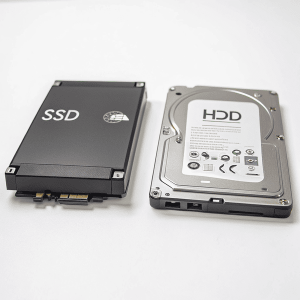
Matching Storage to Workload: When to Choose SSD, When to Choose HDD
No one solution fits every data center. SSDs shine in environments where every millisecond counts, such as real-time analytics, online transaction processing, and virtualization. Their low latency and fast read/write speeds reduce bottlenecks and support fast user experiences. Solid-state drives also use less power and generate less heat, which can lower operating costs across large deployments.
Hard disk drives, on the other hand, are unbeatable for cold storage and backup due to massive capacity at a lower cost. They are practical when write performance andHard disk drives, on the other hand, are unbeatable for cold storage[^1] and backup due to massive capacity at a lower cost. They are practical when write performance and immediate data access are less important.
[^1]: Exploring this link will provide insights into how cold storage can optimize your data management strategy.
are less important.
| Use Case | SSD Recommended | HDD Recommended |
|---|---|---|
| High IOPS, databases | Yes | No |
| Virtualization | Yes | No |
| Massive backups | No | Yes |
| Media archives | No | Yes |
| Cloud applications | Yes | Sometimes |
My own company uses SSDs for customer-facing systems and databases, where every second matters. For older records and contingency backups, we stick with HDDs. This way, we maximize our budget without cutting corners on performance.
Conclusion
Data center SSDs provide speed and reliability, but mixing SSDs and HDDs is often the best way to balance cost, capacity, and performance.