
If you just bought a massive 2TB SSD, you’d hate to waste it. But with the trend toward SSHDs for new PCs, what can you do?
You can reuse your 2TB SSD in a new PC even if it comes with an You can reuse your 2TB SSD[^1] in a new PC even if it comes with an SSHD. Simply install your SSD, set it up for storage or as your main drive, and maximize your investment.
[^1]: Explore the advantages of a 2TB SSD, including speed and storage capacity, to enhance your new PC’s performance.
. Simply install your SSD, set it up for storage or as your main drive, and maximize your investment.
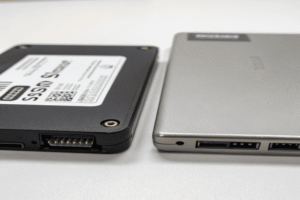
You spent a lot on your SSD, so you want to get the most out of it even if your next computer comes with a hybrid drive. Knowing whether you can simply transfer your old drive to a new system and use both is key to saving money and upgrading smartly. Let me break down the main issues and solutions so you won’t be stuck or confused.
Can I reuse SSD for a new PC?
If your new PC comes with an SSHD, is it possible to install your old SSD and use it instead? This is what many buyers worry about.
Yes, you can reuse your 2TB SSD with a new PC that has an SSHD. You only need the correct physical connections (SATA or NVMe slots) and to set up the drives as you prefer after installation.
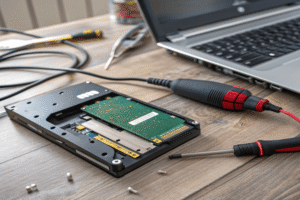
I’ve moved SSDs between several computers that came with different stock drives. I usually check the motherboard for an open SATA port or an NVMe slot. I slot the SSD in, boot up, and either use it as another storage drive or clone the system. The biggest problem is finding space in the case and making sure all connectors fit. With most modern PCs, manufacturers leave a few extra ports for upgrades. After installing, I go into the BIOS, set theAfter installing, I go into the BIOS, set the boot order, and Windows or Linux finds the new old SSD[^1] easily
[^1]: This guide will provide step-by-step instructions for installing and configuring your SSD, ensuring optimal performance.
, and Windows or Linux finds the new old SSD easily. You can keep your files, software, and even favorite tweaks without copying endless folders from old to new.
| Step | Action | Result |
|---|---|---|
| Check PC specs | Find SSD/SSHD ports | Confirm compatibility |
| Install SSD | Slot the SSD into port | SSD recognized |
| BIOS Setup | Select boot order | SSD boots OS or works as secondary storage |
| Manage Drives | Format/clone/configure | Use SSD as you wish |
The only exceptions I’ve run into are tiny PCs with space for just one drive, or odd proprietary connectors. If your old SSD uses SATA and your new motherboard only supports NVMe, you’ll need a converter. Usually, though, mixing and matching SSDs and SSHDs is straightforward.
What is the difference between SSD and SSHD?
Are SSDs and SSHDs the same kind of device, or do they solve different problems for your PC?
SSDs are pure solid-state drives, built for speed and reliability. SSHDs are hybrids that combine a small SSD cache with a larger mechanical HDD, balancing cost and storage.
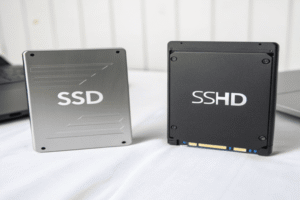
I often get asked which is better. The answer comes down to your main need. SSDs work like fast flash drives. They have no moving parts. You get instant access to files, quick boot times, and much lower risk of mechanical failure. SSHDs, though, look and work like normal hard drives but have a small built-in SSD cache. That cache keeps your most used files or operating system routines handy for quick access, while the rest sits on slower spinning disks.
| Feature | SSD | SSHD |
|---|---|---|
| Storage | Flash memory (full SSD) | Combination: SSD cache + HDD |
| Speed | Fast (up to 5000MB/s) | Faster than HDD, slower than SSD (80–200MB/s) |
| Reliability | High, few moving parts | Lower, has moving parts |
| Price | More expensive per GB | Cheaper, high capacity |
| Capacity | 128GB–8TB common | 500GB–14TB common |
On my old workstation, the SSHD did speed up boot times, but big apps or games still loaded slowly. After upgrading to aAfter upgrading to a full SSD, I noticed a huge jump with large files[^1], and even small things like opening folders or launching programs felt snappier
[^1]: This resource will explain the reasons behind the significant performance boost for large files on SSDs.
, I noticed a huge jump with large files, and even small things like opening folders or launching programs felt snappier. If you want pure speed and don’t care about cost, choose SSD. If you want lots of space for movies, backups, and don’t mind a little delay, SSHD works. For my new builds, I use both—a big SSD for system and apps, an SSHD for storage.
Can you transfer your SSD from one PC to another?
If you have a working SSD with your system, can you just move it to a new PC and expect it to work?
Yes, you can transfer your SSD to a different PC. If operating systems are compatible and hardware has the right connectors, almost all your files migrate seamlessly.
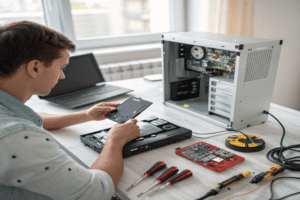
I’ve I’ve swapped SSDs between machines many times. Usually, I turn off both computers, remove the SSD[^1], and reconnect it to the new system
[^1]: Learning the correct removal process can prevent damage to your SSD and ensure a smooth transition between systems.
between machines many times. Usually, I turn off both computers, remove the SSD, and reconnect it to the new system. I check the BIOS, pick the right boot device, and usually Windows or Linux adjusts quickly. Sometimes the operating system needs new drivers, but core files and data are unchanged. The biggest challenge is activating Windows licenses or getting all peripheral drivers set up. If you have cloud backups, nothing is lost even if there’s a glitch. One issue is that if the SSD has boot files for the old PC, it may not boot right away. I fix this by repairing Windows or re-installing the OS, but rarely do I lose data itself.
| Transfer Step | Preparation | Action | Common Issues |
|---|---|---|---|
| Physical Compatibility | Check connector type | Install in new PC | Connector mismatch |
| OS Preparation | Backup data, uninstall drivers | Boot up | Boot failures |
| Activation | Reactivate Windows | Install drivers | License warning |
| Post Transfer | Reconfigure apps, verify files | Test system | Missing settings |
In my projects, moving SSDs lets me avoid tedious file transfers. I like keeping my workflow intact. I recommend a fresh install of the OS if you want the most stable performance, but most people have no major trouble. You can reuse your SSD, keep your investment, and set up a new machine with all your familiar software and documents.
Conclusion
You can keep your 2TB SSD and use it with any new PC that supports the correct slots, saving money and boosting performance.